Octopus Australia has appointed Habitat Energy to provide trading and optimisation services for two of the nation’s first DC-coupled solar and battery storage projects. By directly connecting the batteries to the solar farms, the projects can capture more renewable energy, reduce losses and store electricity for when demand is highest. The partnership represents another step towards turning large-scale renewable energy and battery storage into reliable, dispatchable power that can be delivered when customers need it.
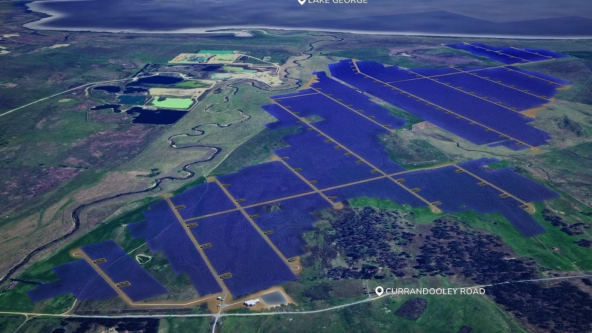
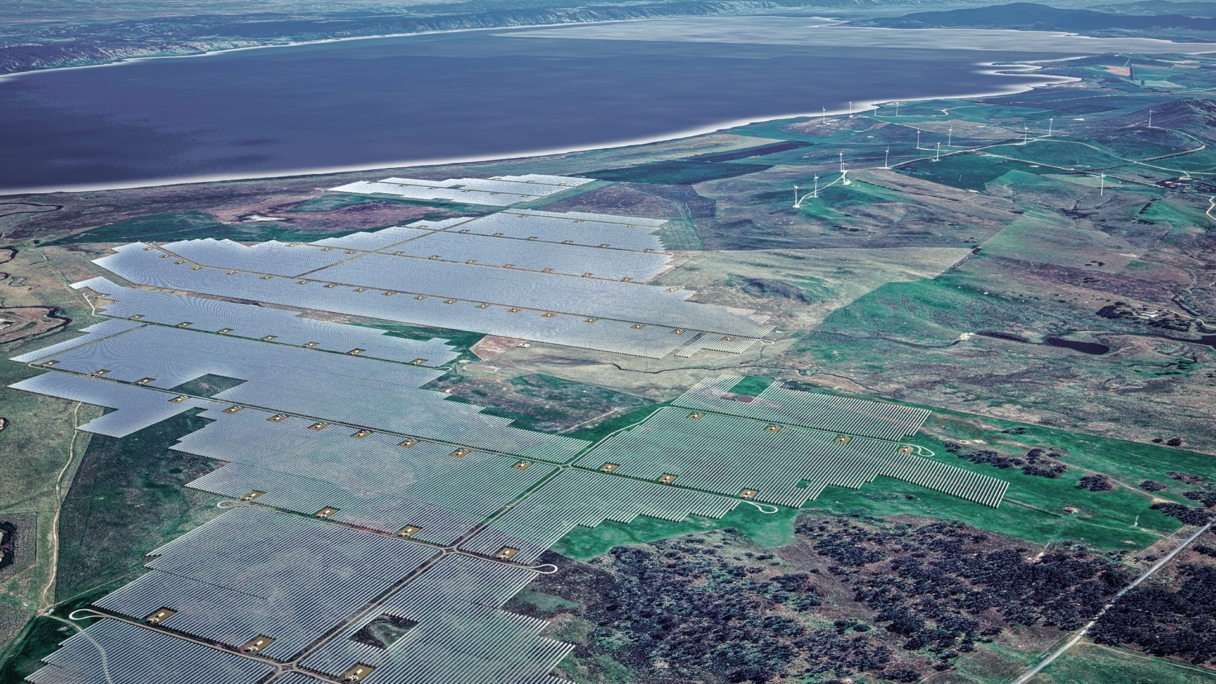
The portfolio includes the Fulham 80MW Solar Farm and 64MW/128MWh Battery in Gippsland, Victoria, which is due to be operational in 2027, and the Blind Creek 300MW Solar Farm and 243MW/486MWh Battery in Bungendore, NSW, which is due to be operational in 2028. Together, the projects will generate enough clean energy to power the equivalent of more than 150,000 Australian homes.
As the designated optimiser, Habitat Energy will use its proprietary algorithmic forecasting and trading platform, combined with expert traders overseeing bidding and dispatch, to co-optimise the solar and storage. This approach balances complex weather patterns and price signals with asset, site and contractual requirements to maximise the value of low cost renewable power.
To streamline integration into the National Electricity Market (NEM), Habitat Energy has developed digital twins of the Fulham and Blind Creek sites. These models allow Habitat and Octopus to conduct rigorous stress-testing and pre-operational planning, ensuring the assets are ‘market-ready’ from day one.
Greg Billman, Managing Director, Habitat Energy Australia commented:
“Co-optimising solar and storage is the key to delivering affordable, reliable clean power but it requires a specialist skillset – one Habitat has honed in some of the world’s largest energy storage markets. We’re looking forward to bringing our tools and expertise to bear in partnership with Octopus Australia, who have rapidly established themselves as a leading force in Australia’s clean energy transition.”
Sam Reynolds, CEO, Octopus Australia added:
“Renewable energy becomes far more valuable when you can decide not just how it’s generated, but when it’s delivered.
“Our strategy is to build portfolios where solar and batteries operate as one, creating the kind of firm, dispatchable power customers have traditionally relied on from coal-fired generation. Habitat’s optimisation capability helps us do exactly that, improving reliability, creating more value for our investors and delivering lower-cost electricity for customers.”
This partnership with Octopus Australia continues to expand Habitat Energy’s global contracted portfolio, demonstrating growing demand for its integrated approach to trading and optimisation. In Australia this includes the 250MW Williamsdale BESS in the ACT and the 100MW Mannum BESS in South Australia. As Australia’s electricity system shifts away from ageing coal generation, partnerships that combine renewable generation, storage and sophisticated market optimisation will become increasingly important in delivering reliable and affordable electricity.
About Habitat Energy
Habitat Energy is a global leader in the trading and optimisation of battery storage and renewable energy assets. The company’s proprietary forecasting and algorithmic bidding platform, combined with its team of experienced traders and deep asset intelligence, unlocks full value from assets while managing operational and market risks. Habitat Energy manages 5.5GW of storage and renewable energy assets worldwide across Australia, the UK and the US. www.habitat.energy
About Octopus Australia
Octopus Australia is an energy fund manager and developer harnessing capital and expertise to accelerate the energy transition, with a portfolio and pipeline of over $16 billion across wind, solar and battery storage projects.
Octopus Australia is more than just an energy infrastructure player: we take an AI data and technology driven approach to constructing an energy portfolio where we ‘stack’ wind, solar and large batteries into the one energy generation portfolio.
The term “stacking” refers to the integration of multiple renewable energy sources along with batteries to create a reliable, efficient and sustainable generation system.
The complementary energy generation profiles of wind, solar and battery storage provide a supply of energy that competes with baseload coal and gas in Australia. Stacking these energy profiles means the portfolio can deliver energy to customers when they need it compared to traditional renewables, increasing offtake price premiums and thereby investor returns.
Our stacked portfolio of assets has other benefits such as cost synergies and a streamlined permitting process, especially in Australia where there are favourable regulatory framework and political settings.
Our team of over 70 highly skilled professionals across Melbourne, Sydney and Brisbane have a unique blend of skills and deep industry expertise across investment, energy markets, development, construction, grid, engineering, stakeholder and community engagement, and legal. This allows us to manage projects across their entire lifecycle and to construct and operate a large integrated energy portfolio.