AEMO’s 2026 ISP Confirms Scale of Investment Opportunity
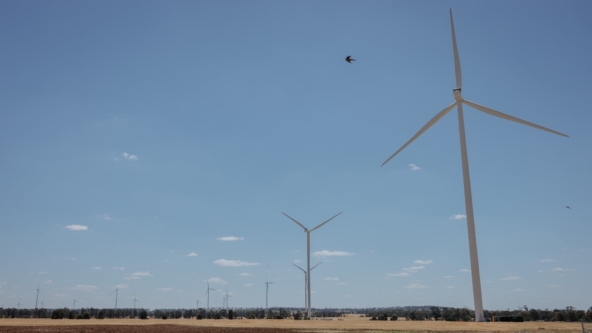
In June, the Australian Energy Market Operator (AEMO) released its 2026 Integrated System Plan (ISP), updating the roadmap for Australia’s energy transition. The plan reaffirmed that renewable energy, supported by storage, transmission and flexible gas generation, remains the lowest-cost pathway to maintain reliability while replacing ageing coal-fired power stations.
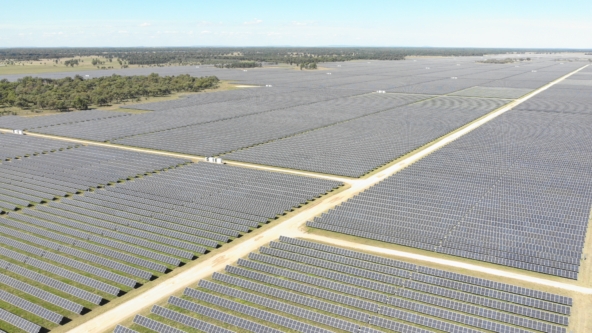
The ISP forecasts that electricity demand could nearly double by 2050, driven by ongoing electrification across transport, industry, data centres and other emerging sectors. To meet this demand, AEMO’s optimal development pathway requires a substantial build-out of renewable generation, including close to 120 GW of utility-scale wind and solar, more than 30 GW of grid-scale batteries and around 6,000 km of additional transmission by 2050. Compared with the 2024 ISP, the 2026 plan reflects lower expected costs for solar and battery technologies, stronger growth in consumer energy resources such as rooftop solar and home batteries, and increasing electricity demand from new industrial loads.
For investors, the ISP reinforces the long-term structural drivers supporting renewable energy and battery storage assets, while highlighting the significant deployment task that lies ahead.
Data Centres Drive Australia’s Next Wave of Electricity Demand
As artificial intelligence, cloud computing and digital infrastructure continue to expand, data centres are emerging as one of the fastest-growing sources of electricity demand in Australia. Recognising this trend, AEMO’s 2026 ISP identified data centres as a major new driver of future energy consumption, with demand expected to grow significantly over coming decades.
The sector is already influencing electricity markets today. Major energy retailers have reported increasing electricity sales to data centre customers, while developers continue to seek access to reliable renewable energy and storage solutions to support their operations. Concentrated around key metropolitan hubs including Sydney and Melbourne, data centre growth is expected to underpin demand for new generation, storage and transmission infrastructure. For renewable energy investors, this represents an emerging source of long-term electricity demand that could support the next phase of investment across the energy transition.
Batteries Go Mainstream
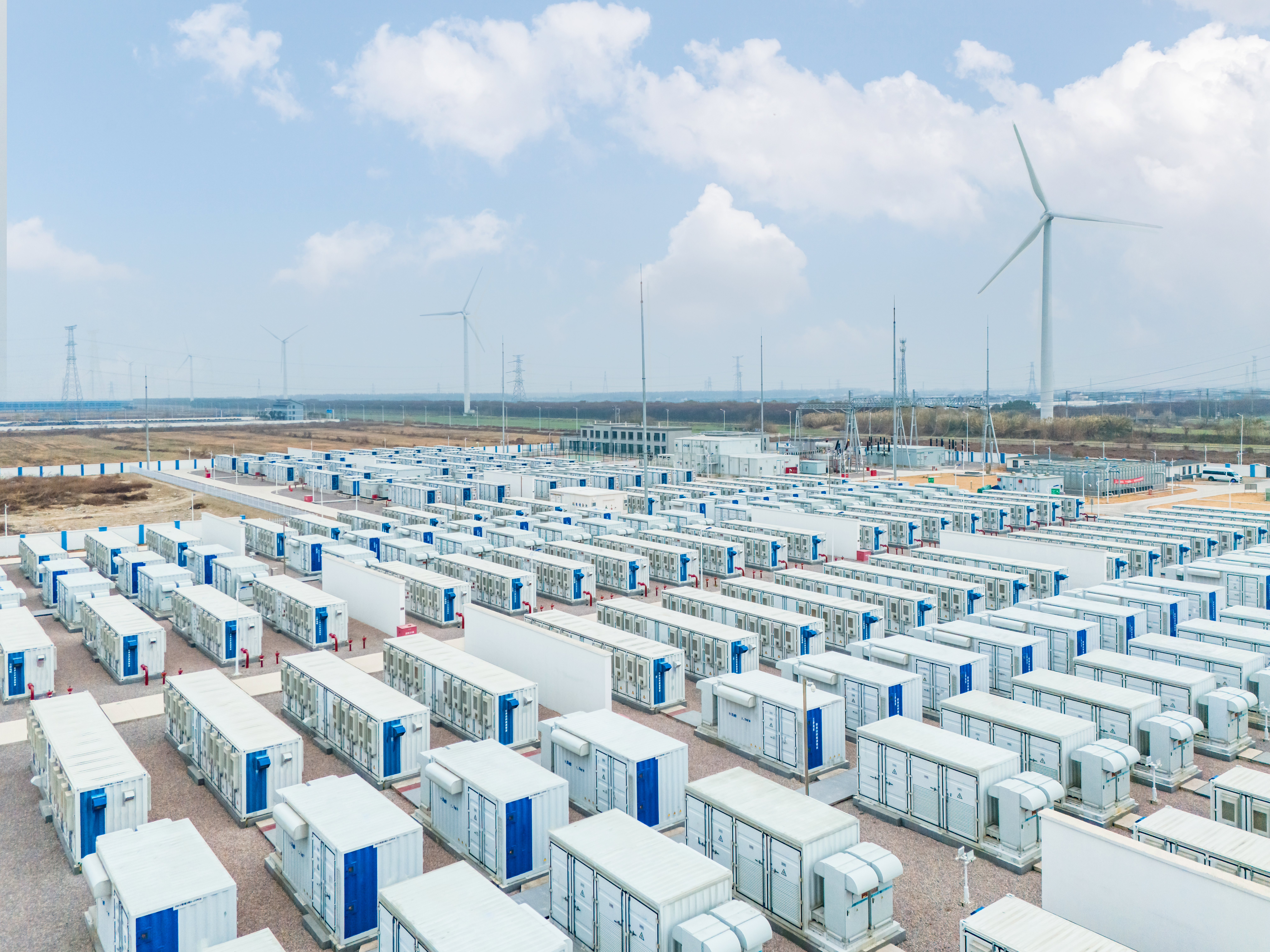
Battery storage has firmly entered the mainstream, marking a significant milestone in Australia’s energy transition. Rapid growth in both household and utility-scale batteries is transforming how electricity is generated, stored and consumed. More than 400,000 household battery systems were installed nationally by May 2026, while utility-scale battery development continues to accelerate as falling costs and improving economics attract investment.
Importantly, batteries are now having a measurable impact on electricity markets. Energy regulators and market participants report that batteries are increasingly supplying energy during evening peak periods, reducing reliance on higher-cost generation sources and helping to moderate wholesale electricity prices. This growing role in firming renewable energy and enhancing grid reliability reinforces battery storage as a critical component of Australia’s future energy system.